Paediatric feeding therapy
Breast, bottle and solid feeding for newborns and infants. Sensory feeding difficulties. Transition from tube feeding. A specialist area few general speech clinics cover.

A specialist clinic run by Sarah Starr, CPSP, supported by five qualified speech pathologists. Feeding, articulation, late talkers, stuttering, literacy and AAC — all under one roof.




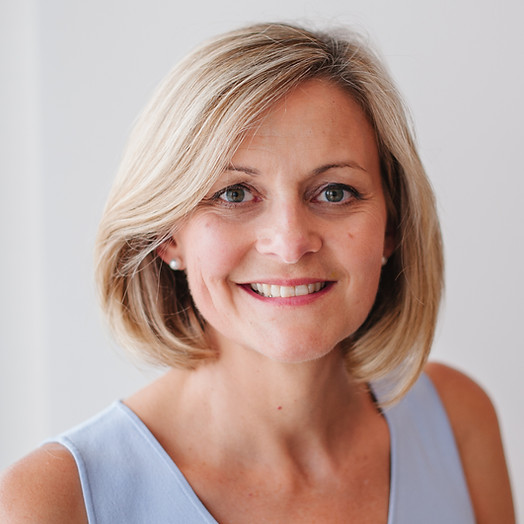
A small, stable team that's grown up alongside the families we treat.
specialist paediatric practice in Burwood
qualified speech pathologists on the team
clinical experience from our director, Sarah Starr
funding routes: NDIS, Medicare, Private Health, Self-funded
Most clinics cover speech and language. We also work across feeding, literacy, and complex communication — so families rarely have to look anywhere else.
Breast, bottle and solid feeding for newborns and infants. Sensory feeding difficulties. Transition from tube feeding. A specialist area few general speech clinics cover.
For children who can't say specific sounds clearly, or whose sound errors follow a pattern. Assessment with one of our pathologists, then evidence-based therapy paced to your child.
Receptive and expressive language support from toddlers through school age. For under-fours we often use the Hanen It Takes Two to Talk parent-coaching approach.
Evidence-based treatment for pre-school and school-age children who stutter. Lidcombe is the gold standard for children under six, delivered weekly with clear outcome tracking.
For children struggling with reading, spelling or written language. Structured-literacy methods (MSL, Sounds-Write) — systematic phonics, not guessing — working alongside schools where relevant.
Communication devices, picture systems and key word sign for children with complex communication needs. Led by Sarah MacMillan.
Talk to us first. We'll tell you honestly whether an assessment is the right next step.
Every qualified speech pathologist practises evidence-based therapy — it's the baseline, not a differentiator. What matters is which frameworks we use and how well we use them. Three that sit at the core of our work:
A structured, parent-delivered treatment developed at the University of Sydney for children under six who stutter. Weekly clinic sessions with ongoing measurement of stuttering frequency — one of the best-evidenced paediatric SP treatments in the world.
Parent-coaching program delivered over eight group sessions plus individual video-feedback. The therapist coaches the parent, not just the child — because that's where the language learning actually happens.
For reading and spelling difficulties. Multisensory Structured Language and Sounds-Write are explicit, systematic phonics approaches — the evidence favours them strongly for children who haven't caught on to reading through whole-language instruction.
We also deliver PROMPT-influenced motor-speech therapy, functional AAC (led by Sarah MacMillan), and case-by-case combinations where a child's profile calls for it.

Call or email us with a short description of what you're noticing. We'll let you know if a speech pathology assessment is the right next step, and which funding pathway applies to your family.
Your child meets one of our pathologists for a one-on-one session at our Burwood clinic. Sessions are play-based and paced to your child — no rushed checklists, no forced performance.
You'll receive a written assessment with clear recommendations and, if therapy is the next step, a session frequency and goal framework. If therapy isn't the next step, we'll say so.
Regular sessions with the same clinician where possible, with progress reviewed at sensible intervals — not arbitrary rebooking cycles.
Still unsure? A short call is often enough to point you in the right direction — booking not required.
That's the right reason to call. A short chat with one of our team is free, and we'll tell you honestly whether an assessment is the next step.
Monday to Friday · 9am – 5pm · Suite 18, Level 7, 74–76 Burwood Road, Burwood NSW